

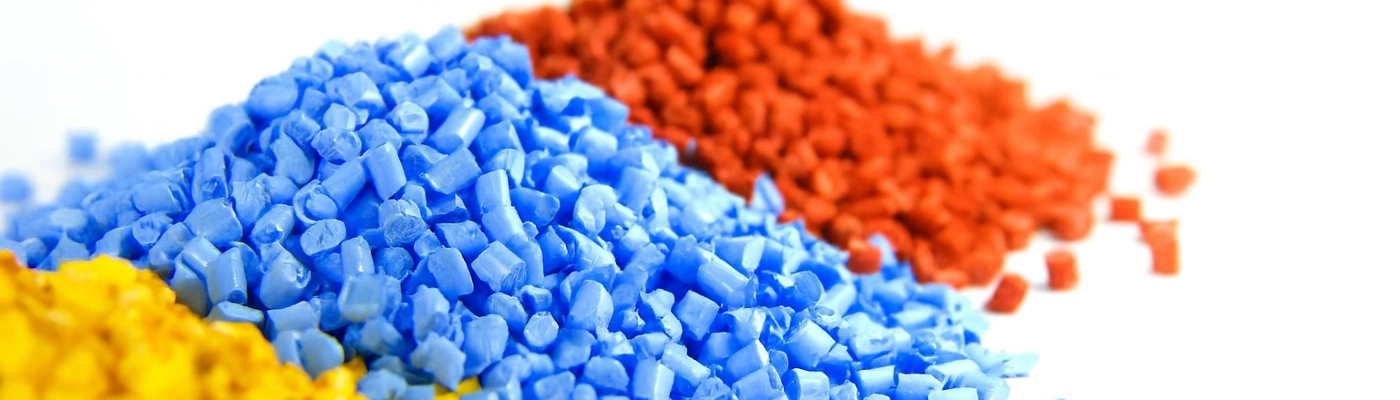
Engineering Plastics
Engineering Plastics are a group of plastic materials that exhibit superior mechanical properties, exceptional thermal stability, and high chemical resistance.
Engineered to replace traditional materials such as metals and ceramics, these high-performance polymers can withstand significantly higher mechanical loads and harsh environmental stresses compared to commodity plastics (e.g., PE, PP).
Classifications & Properties of Engineering Plastics
 Scroll left/right for more details
| Material Type | Abbr. | Key Characteristics | Common Applications |
|---|---|---|---|
| Polycarbonate | PC | High transparency, high impact strength, dimensional stability. | Lenses, electronics housings, control panels. |
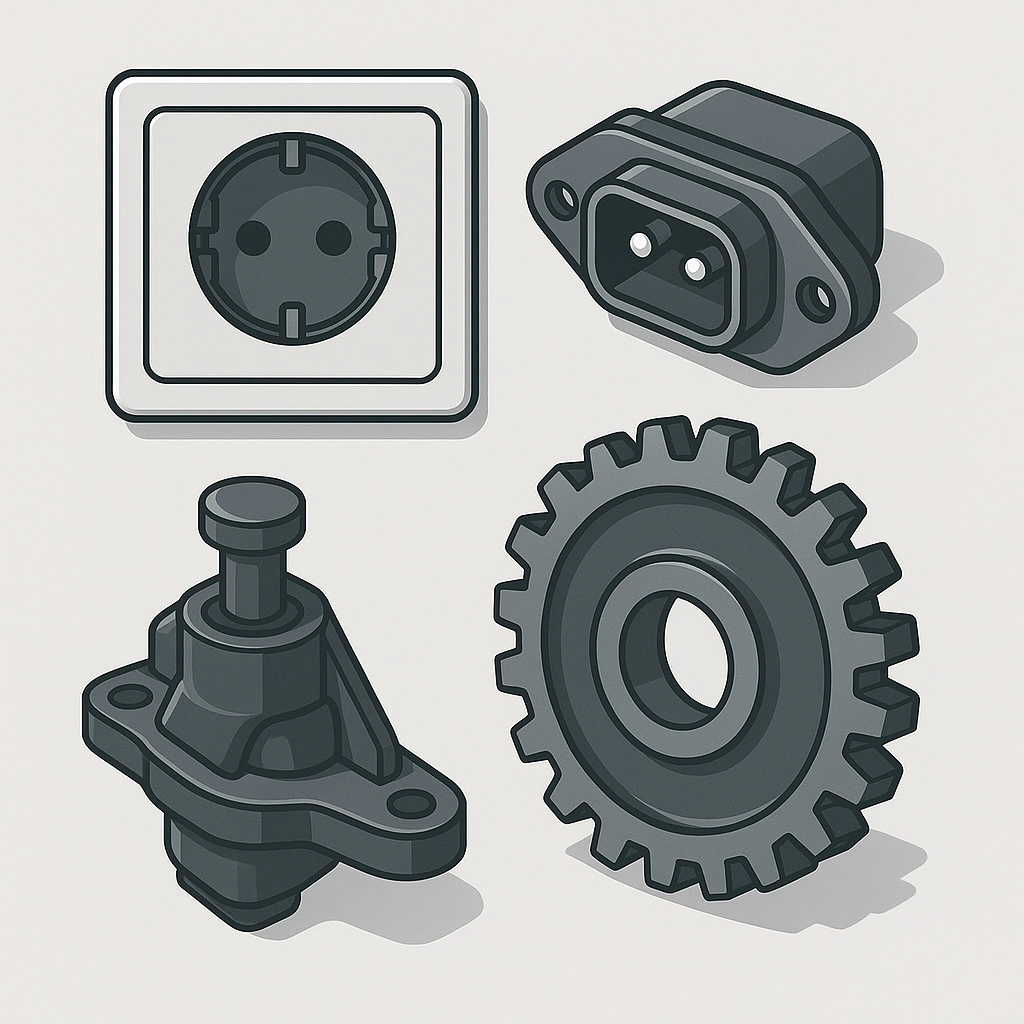
| Polyamide | PA (Nylon) | High abrasion resistance, heat resistant, high mechanical strength. | Gears, bearing housings, sliding rails. |
| Polybutylene Terephthalate | PBT | Excellent electrical properties, good moldability, chemical resistance. | Connectors, plug sockets, switches. |
| Polyoxymethylene | POM | Self-lubricating, dimensional stability, high rigidity. | Precision gears, faucet components, automotive sliders. |
| Acrylonitrile Butadiene Styrene | ABS | Good toughness, ease of processing, excellent surface finish. | Toys, 3C product casings, household appliance panels. |
| Polyethylene Terephthalate | PET | High mechanical strength, chemical resistance, transparent. | Food containers, packaging, optical sheets. |
| Polypropylene | PP | Good chemical resistance, moderate rigidity, cost-effective. | Housewares, automotive interiors, food packaging. |
| Polyethylene | PE | High toughness, low-temperature resistance, adjustable density. | Piping, bottles/containers, films, cable jacketing. |
| Polyphenylene Sulfide | PPS | Exceptional chemical resistance, flame retardant, low water absorption. | Electrical components, chemical pump impellers, valve seats. |
| Polyetherimide | PEI | High heat resistance, excellent electrical insulation, aerospace grade. | Aerospace parts, medical device housings, 3D printing filaments. |
Extended Engineering Plastics & Functional Applications
Scroll horizontally for functional details| Material Type | Key Functional Features | Specialized Applications |
|---|---|---|
| High-Temperature Plastics (PPS, PEI, PA46) |
Long-term heat resistance up to 180°C - 260°C. Exceptional dimensional stability and electrical properties. | Automotive engine components, EV connectors, high-temp switches, aerospace parts. |
| Self-Lubricating Plastics (POM, PA+PTFE) |
Low coefficient of friction and high wear resistance; replaces metal sliding components. | Gears, bearings, sliders, guide rails. |
| Reinforced Plastics (GF-PC, GF-PA, GF-PBT) |
Significant increase in rigidity and thermal stability via Glass Fiber (GF) reinforcement. | Internal mechanical parts, motor housings, structural supports. |
| Flame Retardant Plastics (FR-PC, FR-ABS, FR-PBT) |
Compliant with UL94 V-0 standards; features self-extinguishing and low-smoke properties. | Electronic components, appliance housings, switchboards, connectors. |
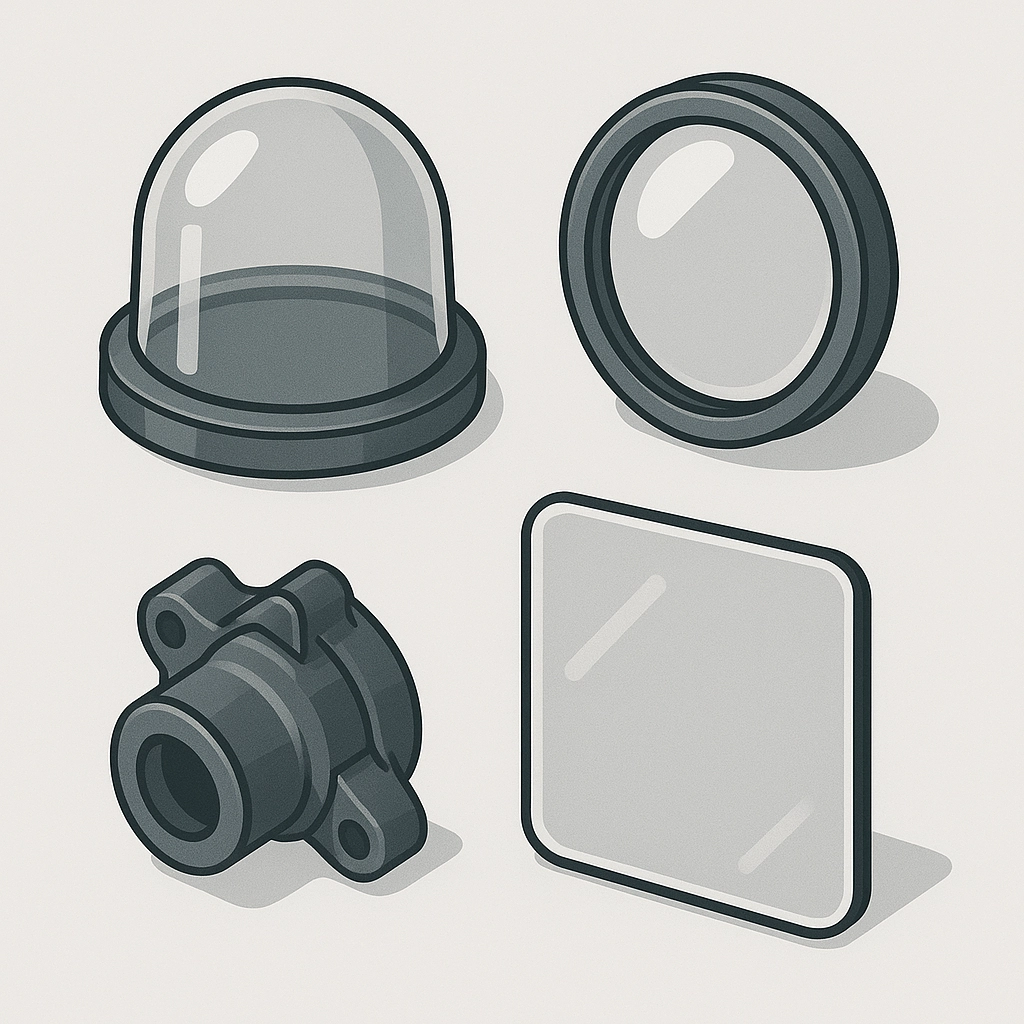
| Optical / Transparent Plastics (PC, PMMA, Transparent PA) |
High optical transparency and impact resistance; ideal glass alternative. | Light covers, optical lenses, safety shields. |
Summary & Material Recommendations
Engineering plastics offer diverse modification and compounding possibilities. Material selection should be meticulously tailored to the specific application requirements and environmental conditions.
High Heat & Strength
Focus on structural integrity and thermal resistance.
Self-Lubricating
Optimized for sliding parts and low-friction motion.
Optical & Aesthetic
Required for high transparency or premium surface finish.
Electrical & Safety
Compliant with safety regulations and flame retardancy.
Advanced Modifications: Our formulations can be further enhanced with Glass Fiber (GF), Carbon Fiber (CF), Mineral Fillers, and Flame Retardants (FR) to achieve a perfect balance between mechanical strength, heat resistance, conductivity, and aesthetics.
